Spot the clue before damage breaks through. Your roof can look perfectly normal from the driveway while moisture, weakened shingles, or structural problems are quietly developing underneath. With Northwest Indiana homes exposed to wind, hail, heavy rain, snow, ice, and major temperature swings, how can you tell when a small roofing concern has become something more serious? Recognizing roof damage Highland IN homeowners should never ignore can help you act before repairs become much more expensive.
1. Missing, Cracked, or Curling Shingles
Your shingles form the first protective layer against Indiana weather, so visible deterioration deserves attention.
Missing shingles leave portions of the roofing system exposed to rain and wind. Cracked shingles may allow moisture underneath, while curled edges can provide an opening for wind driven rain.
When evaluating roof damage Highland IN homes experience, widespread shingle deterioration is one of the clearest signs that professional attention is needed.
A few isolated damaged shingles may only require repair. If the problem appears throughout multiple sections of the roof, however, it could indicate aging materials or widespread storm damage that requires a more comprehensive solution.
2. Water Stains on Ceilings or Walls
A ceiling stain may seem minor, especially if no active dripping is visible. In reality, discoloration often means moisture has already found a pathway through the roofing system.
Water can enter around damaged shingles, flashing, vents, chimneys, or other roof penetrations. From there, it may travel along decking and framing before finally becoming visible inside your home.
This is why interior stains are among the most important signs of roof damage Highland IN homeowners should investigate quickly.
Delaying roof leak repair can allow moisture to damage insulation, drywall, wood framing, and interior finishes. Persistent moisture may also create conditions where mold and mildew can develop.
3. Shingle Granules Are Collecting in Your Gutters
Asphalt shingles contain protective granules that help shield the material from sunlight and weather exposure.
A small amount of granule loss is normal, particularly with newer shingles. Large amounts collecting in gutters or near downspouts can be a different story.
Excessive granule loss is frequently associated with aging shingles, severe weather, or hail impacts. When checking for roof damage Highland IN homeowners can safely look near downspouts for dark, sandlike material after storms.
Once shingles lose significant granule coverage, they can become more vulnerable to heat, ultraviolet exposure, cracking, and accelerated deterioration.
4. Your Roofline Is Sagging
A roof should generally appear straight and consistent across the structure. Visible dips, waves, or sagging areas deserve immediate professional attention.
Sagging can sometimes indicate damaged roof decking, long term moisture exposure, or problems with structural components underneath the roofing surface.
Unlike a simple missing shingle, this type of roof damage Highland IN homeowners encounter may involve more than the exterior roofing material.
Because structural concerns can become serious, do not climb onto a sagging roof yourself. Have a qualified roofing professional inspect the affected area and determine what is causing the change in shape.
5. Your Roof Was Recently Hit by Hail or Strong Winds
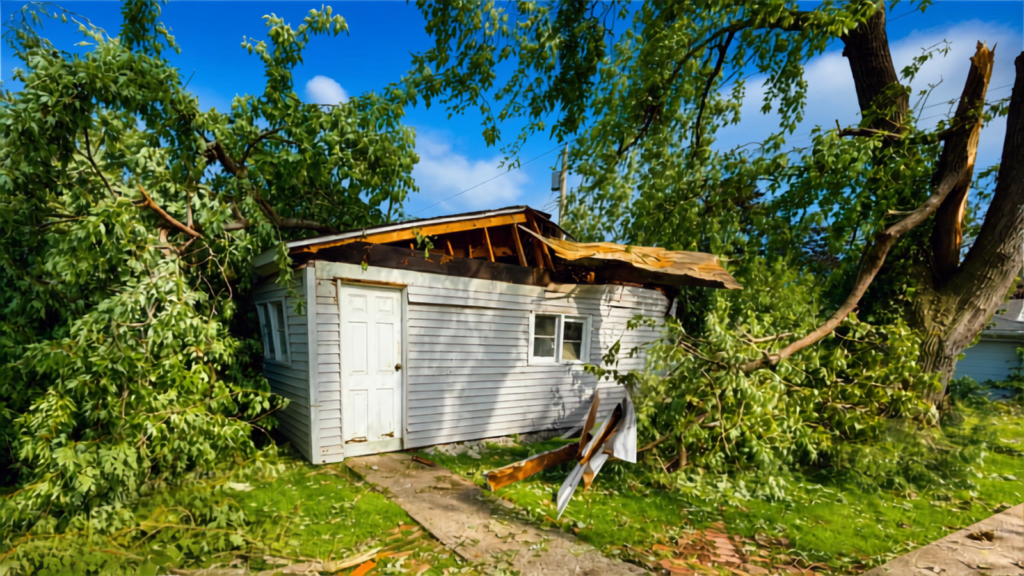
Northwest Indiana storms can cause significant roofing damage in a short period of time.
Hail may remove protective granules, bruise shingles, or create small fractures that are difficult to identify from ground level. High winds can loosen adhesive seals, lift shingles, bend flashing, and remove roofing materials entirely.
One common mistake is assuming there is no roof damage Highland IN homeowners need to worry about simply because the roof still looks intact.
Some storm damage is subtle. A shingle may remain in place even though its seal has been weakened, leaving it more vulnerable during the next storm.
A professional storm damage roof inspection after severe weather can identify problems before they turn into leaks.
6. Your Roof Keeps Needing Repairs
Every roof may need occasional maintenance, but repeated repairs can indicate a bigger problem.
If you have repaired leaks in several locations, replaced shingles multiple times, or continue discovering new trouble spots after storms, the roofing system may be approaching the end of its useful life.
Recurring roof damage Highland IN homeowners face can become expensive when repair bills continue adding up year after year.
At some point, investing in residential roof replacement may provide better long term value than repeatedly repairing sections of an aging roof.
A trustworthy roofing contractor should evaluate the entire system before making that recommendation. The goal should be finding the solution that makes financial and practical sense for your home.
7. Your Roof Is Older and Showing Multiple Warning Signs
Age alone does not automatically mean your roof needs replacement, but age combined with other problems deserves attention.
Many asphalt shingle roofs can provide decades of service when properly installed and maintained. However, exposure to heat, cold, storms, moisture, and freeze and thaw cycles gradually affects roofing materials.
When an older roof begins showing missing shingles, leaks, excessive granule loss, curling edges, or repeated repair needs, it may be experiencing more extensive roof damage Highland IN homeowners should have professionally evaluated.
Knowing approximately when your roof was installed can help you plan ahead instead of waiting for an unexpected roofing emergency.
Why Hidden Roof Damage Can Become Expensive
The most expensive roofing problems are often not the ones you can immediately see.
Water that gets beneath shingles may gradually damage underlayment and roof decking. If it continues spreading, it can reach insulation, framing, ceilings, and walls.
That is why detecting roof damage Highland IN properties experience early matters so much. Addressing a damaged shingle or flashing issue today is generally far easier than repairing structural deterioration later.
Professional inspections help identify both visible and less obvious problems before they become larger concerns.
Should You Repair or Replace the Roof?
Finding roof damage does not automatically mean you need a complete replacement.
If the roof is relatively young and damage is isolated, targeted roof repair may restore proper protection. Missing shingles, localized flashing problems, or small leak areas can often be repaired effectively.
If roof damage Highland IN homes experience is widespread, however, replacement may offer greater long term value. This is especially true when the roof is older, has suffered extensive storm damage, or requires repeated repairs.
The right answer depends on the condition of the entire roofing system, not simply one visible problem.
Why Highland Homeowners Choose Ivan’s Roofing and Remodeling
Homeowners deserve to know what is happening with their roofs without being pressured into unnecessary work.
At Ivan’s Roofing and Remodeling, we proudly serve Highland and communities throughout Northwest Indiana with professional roof inspections, storm damage evaluations, roof repairs, and complete roof replacement services.
When evaluating roof damage Highland IN homeowners bring to our attention, we focus on identifying the source of the problem and explaining the options clearly.
If repair is the practical solution, we will tell you. If the condition of the roof makes replacement the smarter investment, we will explain what we found and why.
Final Thoughts
Roof problems rarely become less expensive by waiting. Missing shingles, ceiling stains, granule loss, storm impacts, recurring repairs, and sagging areas are all warning signs worth taking seriously.
Recognizing roof damage Highland IN homeowners commonly encounter gives you the opportunity to respond before hidden moisture or structural deterioration creates a much larger problem.