Flash it right, keep your home dry and tight. A roof can have perfectly good shingles and still develop a frustrating leak because one small piece of flashing has failed. If water keeps appearing near a chimney, vent, wall, or ceiling corner, could the real problem be something much smaller than the roof itself? Understanding when roof flashing repair Indiana homeowners need becomes necessary can help you stop moisture before it reaches decking, insulation, drywall, and other parts of your home.
At Ivan’s Roofing and Remodeling in Highland, Indiana, we regularly see roofing leaks that have little to do with widespread shingle failure. Instead, the problem begins at one of the roof’s transition points, where flashing is supposed to move water safely away from vulnerable openings.
What Is Roof Flashing?
Roof flashing is a thin protective material installed in areas where shingles alone cannot provide reliable water protection.
You will commonly find flashing around chimneys, skylights, plumbing vents, valleys, roof to wall connections, and other penetrations. Its job is simple but extremely important: direct water away from places where it might otherwise enter the roofing system.
A need for roof flashing repair Indiana homeowners encounter often begins when this protective material becomes loose, corroded, bent, improperly sealed, or separated from surrounding roofing components.
Secondary keywords such as chimney flashing repair, roof leak repair Highland IN, damaged roof flashing, flashing around roof vents, storm damage roofing, leaking roof inspection, and Northwest Indiana roofing contractor all connect naturally to these issues.
Why Flashing Areas Are So Vulnerable
A wide, uninterrupted section of shingles is relatively straightforward. Water flows downward and eventually reaches the gutters.
Transitions are different.
Where a chimney rises through the roof or a wall meets a roof slope, water must be carefully redirected around the change in shape. If there is even a small opening, rain can move underneath the roofing materials.
That is why roof flashing repair Indiana contractors perform often focuses on these transition points rather than the middle of the roof.
A tiny failure around a chimney can sometimes cause more interior water damage than several damaged shingles located elsewhere.
Indiana Weather Can Loosen Flashing Over Time
Northwest Indiana weather places constant stress on roofing materials.
Summer heat causes materials to expand. Winter cold makes them contract. Snow, ice, rain, wind, and repeated freeze and thaw cycles place additional pressure on seams and fasteners.
Over the years, these movements can loosen flashing or weaken sealants around it.
When considering roof flashing repair Indiana homeowners should remember that flashing does not have to fall off completely to create a problem. A small separation can be enough for wind driven rain to enter beneath the roofing system.
The damage may remain hidden until water eventually reaches the interior.
Chimneys Are a Common Source of Flashing Leaks
Chimneys create several intersections where water must be carefully controlled.
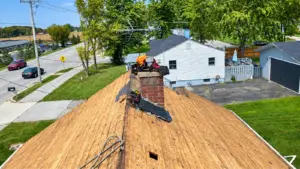
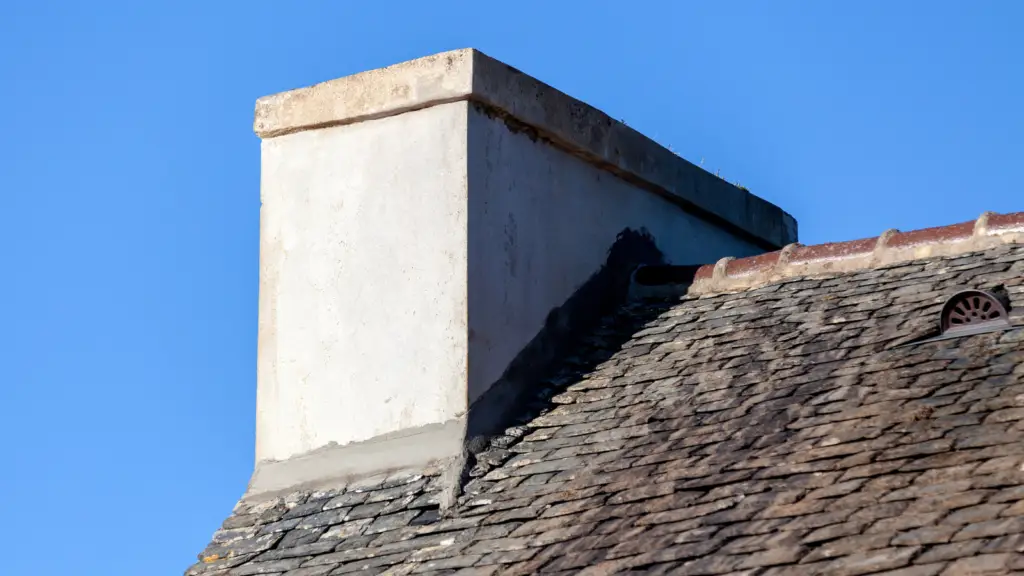
Proper chimney flashing typically works in layers so water moves around the structure instead of behind it. If those pieces pull away, rust, crack, or were installed incorrectly, moisture can enter near the chimney base.
Homeowners sometimes mistake these leaks for problems with the chimney itself.
In reality, roof flashing repair Indiana homes need around chimneys can often address the source if the surrounding roof remains in good condition.
Water stains near a fireplace, ceiling discoloration, or damp attic materials close to the chimney are all reasons to have the area evaluated.
Vent Pipes Can Develop Small but Serious Leaks
Plumbing vent pipes and other roof penetrations are another common trouble spot.
These areas often use flashing boots designed to create a watertight seal around the pipe. Over time, rubber components may crack or deteriorate, especially after years of exposure to sunlight and changing temperatures.
Once the seal fails, water can travel alongside the vent pipe and into the attic.
A roof flashing repair Indiana professional can inspect whether the flashing itself needs replacement or whether another roofing component around the penetration is contributing to the leak.
Catching the problem early can prevent damage to insulation and interior ceilings.
Roof Valleys Need Careful Water Management
Roof valleys collect water from two adjoining roof slopes.
During a heavy Northwest Indiana rainstorm, a significant amount of water may move through these channels in a short period of time. That makes proper valley construction and flashing extremely important.
Debris buildup, deteriorated materials, damaged shingles, or poor installation can interrupt drainage.
Some roof flashing repair Indiana projects involve correcting valley details so water flows naturally off the roof rather than finding a path underneath surrounding materials.
Valley leaks can spread farther than homeowners expect, making professional diagnosis especially important.
Flashing Problems Can Hide Behind Siding
Where a roof connects to an exterior wall, flashing helps protect the transition between roofing and siding.
This can become particularly complicated when siding, trim, or other exterior materials cover portions of the flashing.
If these details were installed incorrectly during a previous roofing or remodeling project, water may enter behind the siding and move into the wall system.
A professional evaluating roof flashing repair Indiana homeowners need may have to look beyond the visible shingles to understand exactly where moisture is traveling.
That is why simply applying caulk over a suspicious area does not always solve the real problem.
Why Caulk Alone Is Usually Not a Permanent Fix
Sealant has a place in roofing, but it should not replace correctly installed flashing.
Homeowners sometimes see a small gap and assume adding more caulk will permanently stop the leak. It may slow water temporarily, but sealants eventually age, crack, or pull away.
If the flashing underneath is damaged or installed incorrectly, covering it with sealant does not correct the underlying issue.
Quality roof flashing repair Indiana homeowners can trust focuses on restoring proper water management, not simply hiding the opening.
A permanent repair should work with the natural way water moves across the roof.
Warning Signs Your Flashing May Be Failing
Interior water stains are one of the most obvious signs, but flashing problems can show up in other ways.
Homeowners may notice peeling paint near upper walls, damp attic insulation, staining around chimneys, rusted metal, visibly lifted flashing, or water appearing after wind driven rain.
You may also have a leak that only occurs during certain storms because the wind pushes rain toward a specific roof transition.
If you suspect roof flashing repair Indiana may be needed, avoid climbing onto the roof yourself. Flashing areas are often located around steep slopes, chimneys, and other places that can be difficult to access safely.
A professional inspection can identify the source without putting you at risk.
Can Flashing Be Repaired Without Replacing the Roof?
In many cases, yes.
If the shingles and overall roofing system remain in good condition, localized flashing repairs may solve the problem without requiring full roof replacement.
The contractor may need to carefully remove surrounding shingles, replace or reposition damaged flashing, restore the water barrier, and reinstall roofing materials correctly.
Roof flashing repair Indiana homeowners receive should always be based on the condition of the surrounding area.
If moisture has already damaged roof decking or if the roof itself is badly deteriorated, additional work may be necessary.
Why Early Repairs Usually Cost Less
A small flashing opening may seem insignificant, but water has a way of turning small roofing problems into expensive home repairs.
Once moisture enters, it may damage roof decking, attic insulation, wood framing, drywall, and interior finishes. Mold can also become a concern when materials remain damp.
Prompt roof flashing repair Indiana homeowners schedule can prevent that progression by stopping water at the source.
Waiting until a ceiling stain becomes larger rarely makes the repair simpler.
The sooner you understand where water is entering, the more options you usually have.
Get the Leak Checked Before the Next Storm
A leaking roof does not always mean your shingles have failed. Sometimes one vulnerable transition is causing the entire problem.
If you are noticing water stains, damp attic areas, or recurring leaks near a chimney, vent, valley, or wall, it may be time for roof flashing repair Indiana homeowners can rely on.
Give Ivan’s Roofing and Remodeling a call to schedule a roof inspection. We will take a closer look, explain what we find in straightforward terms, and help you address the problem before the next round of Indiana rain has a chance to make it worse.