Heat can rise, moisture can hide, and your new roof can pay the price. Homeowners often focus on shingles, color, and warranties when replacing a roof, but what happens underneath those shingles can be just as important. If your attic holds too much heat or moisture, could your brand new roofing system begin aging faster than expected? Proper attic ventilation Indiana homeowners depend on helps protect the roof from the inside out.
Your Roof and Attic Work as One System
A new roof is not simply shingles nailed over wood.
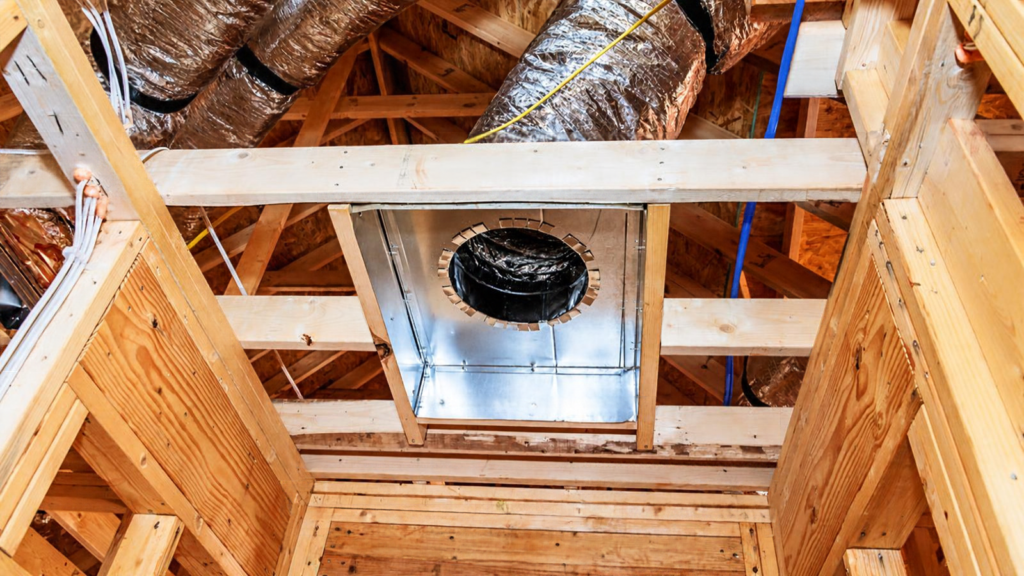
The roof deck, insulation, soffit vents, ridge vents, underlayment, flashing, and attic airflow all work together. If one part is not functioning properly, other components can feel the effects.
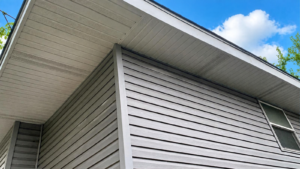
Balanced attic ventilation Indiana roofing systems use typically involves intake ventilation near the lower edges of the roof and exhaust ventilation near the upper portion. This creates airflow that helps move excess heat and moisture out of the attic.
Secondary keywords such as roof ventilation system, soffit vents, ridge vents, attic moisture control, roof replacement Highland IN, ice dam prevention, and roof lifespan Northwest Indiana fit naturally into this conversation.
Excessive Summer Heat Can Age Shingles Faster
Northwest Indiana summers can make attic spaces extremely hot.
Without adequate airflow, heat can build underneath the roof deck for hours every day. That excess heat may contribute to faster aging of asphalt roofing materials and can make upper level rooms more difficult to cool.
Proper attic ventilation Indiana homeowners install helps move some of that trapped hot air out of the attic instead of allowing it to remain concentrated beneath the roofing system.
Ventilation does not make the attic the same temperature as the outdoors, but it can help reduce extreme heat buildup.
That matters when your goal is getting the longest practical service life from a new roof.
Winter Moisture Can Be Just as Damaging
Heat is only part of the problem.
During winter, warm indoor air can move toward the attic. When that warm, moisture carrying air meets colder surfaces, condensation may develop.
Over time, excessive attic moisture can contribute to damp insulation, mold growth, wood deterioration, and staining on roof decking.
A properly designed attic ventilation Indiana system helps move moisture out before it remains trapped against wooden components.
This is especially important in Northwest Indiana because homes regularly experience long periods of cold weather followed by warmer indoor temperatures.
The damage may happen slowly, but once roof decking begins deteriorating, repairs can become much more involved.
Ventilation Can Help Reduce Ice Dam Risk
Ice dams are another concern during Indiana winters.
Heat escaping into an attic can warm portions of the roof and melt snow above. Meltwater then travels toward colder roof edges, where it can refreeze and create a ridge of ice.
As more snow melts, water can collect behind that ice and potentially work beneath roofing materials.
Good insulation and air sealing are important parts of ice dam prevention, but attic ventilation Indiana homeowners use also contributes to keeping roof temperatures more consistent.
No ventilation system can guarantee that ice dams will never occur, but properly designed airflow is an important part of a roof built for winter conditions.
Poor Ventilation Can Affect Roof Decking
Your roof decking provides the structural surface that supports the roofing materials above it.
When moisture repeatedly collects in the attic, wood decking may begin absorbing that moisture. Over time, it can swell, soften, stain, or deteriorate.
That can affect fasteners and the stability of the materials attached above.
During a roof replacement, contractors may discover damaged decking only after the old shingles have been removed. In some cases, the underlying moisture problem may have been developing for years.
Addressing attic ventilation Indiana concerns during a roofing project gives homeowners an opportunity to improve the system before new shingles are installed.
Putting a beautiful new roof over an unresolved moisture problem does not fix what caused the damage in the first place.
More Ventilation Is Not Always Better
One common misconception is that simply adding as many vents as possible will improve the roof.
Ventilation needs to be balanced.
Too much exhaust without enough intake may prevent the system from working as intended. Mixing incompatible ventilation methods can also disrupt airflow instead of improving it.
A professional evaluation of attic ventilation Indiana homes need should consider roof design, attic size, existing intake vents, exhaust vents, insulation, and airflow pathways.
For example, soffit vents cannot work properly if insulation is blocking them from inside the attic.
This is why ventilation should be treated as part of the roofing design rather than an accessory added at the end of the project.
Ventilation and Insulation Have Different Jobs
Homeowners sometimes assume ventilation and insulation do the same thing.
They do not.
Insulation helps slow heat transfer between your living space and attic. Ventilation helps manage airflow within the attic and allows excess heat and moisture to escape.
For the best performance, both systems need to work together.
Quality attic ventilation Indiana homeowners invest in cannot compensate for major insulation problems, just as adding insulation will not correct poor roof ventilation.
When both are properly addressed, the home can be more comfortable while the roofing system has better conditions for long term performance.
Watch for Signs Your Attic Is Not Breathing Properly
You do not need to be a roofing professional to notice that something may be wrong.
Hot upper floor rooms, musty attic odors, visible condensation, damp insulation, mold staining, rusted fasteners, or recurring ice dams can all justify a closer inspection.
If you recently replaced your roof but continue seeing these problems, the attic ventilation Indiana system may deserve another look.
Homeowners should not crawl through unsafe attic spaces or attempt roof ventilation modifications without understanding how the existing system works.
A professional inspection can help identify whether airflow, insulation, moisture, or another issue is contributing to the symptoms.
Ventilation Should Be Checked During Roof Replacement
Roof replacement is one of the best times to evaluate ventilation.
The contractor can review existing vents, check intake areas, examine roof decking, and determine whether changes should be considered before the new roofing system is completed.
When homeowners invest in a new roof, they naturally want it to last as long as reasonably possible. Reviewing attic ventilation Indiana conditions during installation helps protect that investment from problems that may otherwise remain hidden.
It is also easier to address certain ventilation details while roofing work is already underway than to return later and modify a newly completed system.
Proper Ventilation Can Support Energy Efficiency
Roof ventilation is primarily about managing attic heat and moisture, but it can also support overall home comfort.
When an attic holds extreme heat during summer, rooms below may become warmer and the cooling system may need to work harder. Proper insulation and ventilation can help reduce that heat burden.
A well designed attic ventilation Indiana setup should be considered alongside insulation, air sealing, and the overall building envelope.
No single improvement solves every energy problem, but making sure these systems work together can contribute to a more comfortable home throughout Northwest Indiana’s changing seasons.
Protect the Roof You Just Invested In
A new roof is a major home improvement, so it makes sense to protect every part of that investment.
At Ivan’s Roofing and Remodeling, we proudly help homeowners in Highland and throughout Northwest Indiana with roof inspections, roof replacement, repairs, storm damage evaluations, and roofing system improvements.
When we evaluate attic ventilation Indiana homeowners are concerned about, we look at how the attic and roofing system work together rather than focusing only on what is visible outside.
If the existing ventilation is working properly, we will explain what we see. If blocked intake vents, inadequate exhaust, moisture, or another concern needs attention, we can discuss practical next steps.
Final Thoughts
Your shingles may be the part of the roof everyone sees, but the attic below them can have a major influence on how well the entire system performs.
Too much heat, trapped moisture, condensation, poor airflow, and recurring winter ice problems can all put unnecessary stress on a new roof. Proper attic ventilation Indiana homeowners rely on helps create healthier conditions for roof decking, insulation, shingles, and the home beneath them.
If you are planning a roof replacement or already have a newer roof but are concerned about attic heat or moisture, contact Ivan’s Roofing and Remodeling in Highland. A professional evaluation can help make sure your new roof is not only built to look good today, but prepared to protect your Northwest Indiana home for years to come.